
The Ultimate Guide to Hydraulic Breakers for Excavators: Maximize Power & Efficiency [2026]
A comprehensive 2026 guide on selecting, maintaining, and operating hydraulic breakers for excavators. Covers attachment types, flow specs, and ROI analysis.
- Quick Summary: Key Takeaways for 2026
- What Is a Hydraulic Breaker for Excavators?
- How It Works and Why It Matters
- Core Applications
- Anatomy of a Breaker: How It Works
- Types of Hydraulic Breaker Configurations
- Step-by-Step Selection Guide: Matching Breaker to Carrier
- 1. Check Excavator Weight Class
- 2. Verify Hydraulic Hammer Flow and Pressure
- 3. Analyze the Application
- 4. Review Lifting Capacity
- Expert Tips: Preventing Common Operator Mistakes
- Maintenance Checklist: Extending Lifespan
- Daily Actions
- Weekly Actions
- Sourcing Parts
- Market Gap Analysis: Cost, ROI, and Buying vs. Renting
- New vs. Used
- Rental ROI
- Hidden Costs
- Conclusion
- FAQ
- How do I match a hydraulic breaker to my excavator?
- What is the difference between silenced and open hydraulic breakers?
- How often should I grease a hydraulic breaker?
- What causes blank firing in hydraulic hammers?
- Can I use a hydraulic breaker underwater?
- Which tool bit is the best for concrete demolition?
- How much nitrogen gas does a hydraulic breaker need?
- Why is my hydraulic breaker overheating?
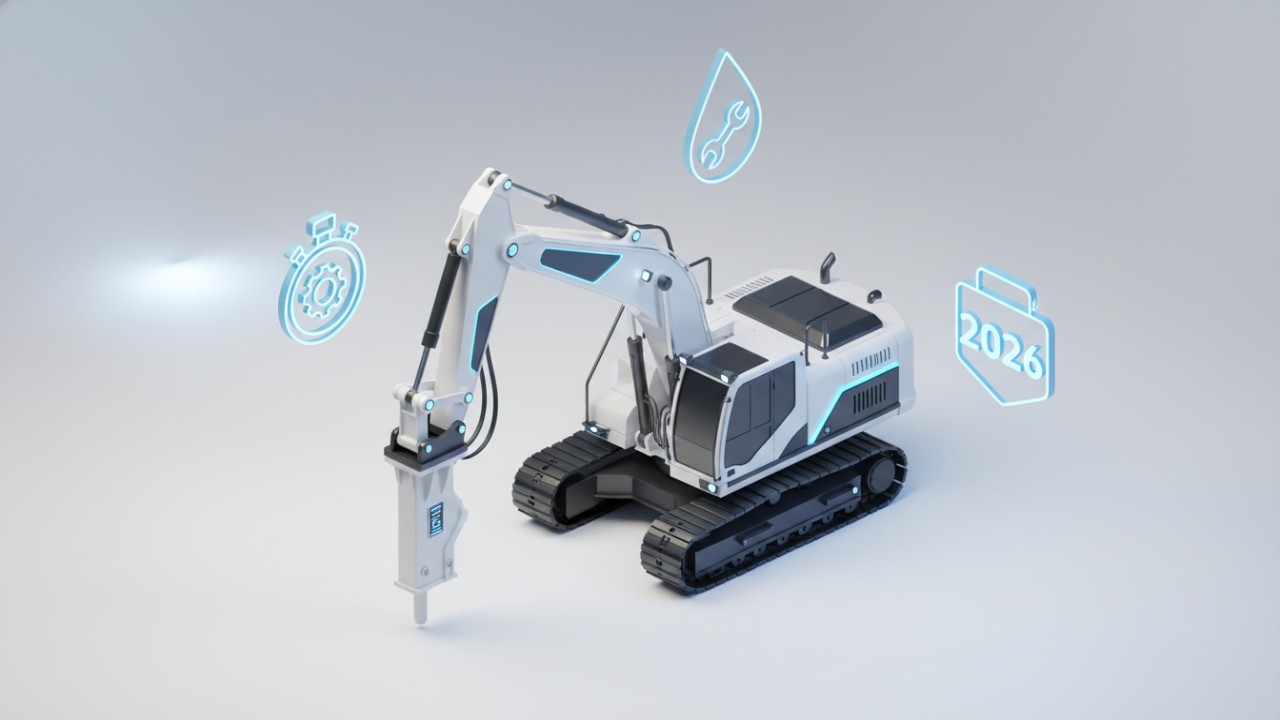
Quick Summary: Key Takeaways for 2026
· Hydraulic breakers for excavators turn carriers into versatile demolition machines for rock, concrete, and asphalt.
· Matching carrier weight and hydraulic flow is the #1 factor for preventing equipment failure.
· Regular maintenance (greasing every 2 hours) extends lifespan by up to 50%.
· Modern breakers feature auto-lubrication and anti-blank firing to reduce operator error.
· Choosing between Silenced (Box) and Open types affects noise compliance and durability.
What Is a Hydraulic Breaker for Excavators?
A hydraulic breaker (also known as a hammer or hoe ram) is a heavy-duty percussion attachment powered by an excavator's auxiliary hydraulic system to demolish hard structures like rock and concrete. According to Wikipedia, these attachments function by driving a piston against a replaceable tool bit to deliver high-impact energy.
How It Works and Why It Matters
These tools are essential for mining, trenching, and landscaping where blasting is unsafe or impossible. By utilizing the hydraulic flow from the carrier, the breaker converts fluid pressure into kinetic energy. This allows operators to break through materials that a standard bucket cannot penetrate. Investing in high-quality hydraulic breakers for excavators ensures your fleet can handle diverse demolition tasks without renting specialized machinery.
Core Applications
· Primary Breaking: Reducing raw rock in quarries.
· Secondary Breaking: Reducing oversized boulders for crushers.
· Demolition: Breaking reinforced concrete foundations.
· Trenching: Excavating hard ground for utility lines.
Anatomy of a Breaker: How It Works
Understanding the internal components helps in diagnosing issues and ordering the correct spare parts.
· The Piston: The moving part that strikes the tool, powered by hydraulic oil and nitrogen gas.
· Nitrogen Gas Chamber: Acts as a shock absorber and boosts impact energy on the downstroke.
· The Tool Bit (Chisel): The replaceable steel tip that makes contact with the material.
· Front Head & Bushings: Support the tool bit and guide it during operation.
· Accumulator: Dampens pressure spikes to protect the carrier's hydraulic pump.
Types of Hydraulic Breaker Configurations
Selecting the right housing configuration depends on your specific job site requirements and budget. Here are the main excavator hammer attachment types available in 2026:
1. Side Type:
Pros: Economical, easy to maintain, and a shorter overall length allows for higher reach
Cons: Noisier and exposes the breaker body to more wear.
2. Top Type:
Pros: Direct downward force maximizes impact power; ideal for vertical operations.
Cons: A Longer profile can limit operation in tight spaces.
3. Box (Silenced) Type:
Pros: Fully enclosed housing reduces noise and vibration; mandatory for urban sites.
Cons: Higher initial cost.
Compliance: Meets strict noise regulations often cited by safety bodies like OSHA.
4. Banana/Uni-body Type:
Pros: Reduced component count for lower maintenance.
Cons: Typically limited to compact carriers.
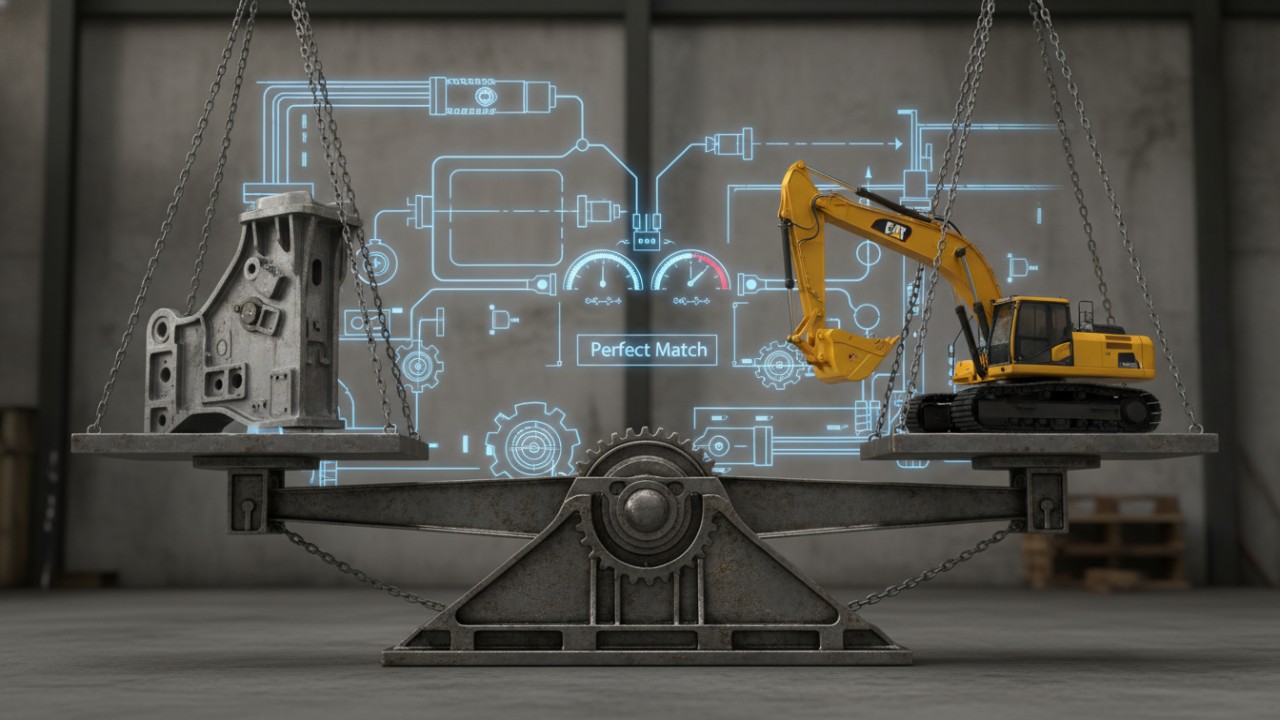
Step-by-Step Selection Guide: Matching Breaker to Carrier
Failure to match the breaker to the excavator is the leading cause of catastrophic failure. Follow this rock breaker selection guide to ensure compatibility.
1. Check Excavator Weight Class
Ensure your carrier can physically lift and stabilize the attachment. A 20-ton carrier requires a specific breaker weight range to prevent tipping.
2. Verify Hydraulic Hammer Flow and Pressure
This is the most critical technical specification.
· Flow (GPM/LPM): If the excavator supplies too little flow, the hammer will have low frequency and power. If it supplies too much, the breaker will overheat.
· Pressure (PSI/Bar): Excessive pressure can blow seals and damage the diaphragm.
3. Analyze the Application
· Trenching: Requires a Moil point for penetration.
· Demolition: Requires a Blunt tool for shattering concrete.
4. Review Lifting Capacity
Ensure the excavator remains stable at full reach with the attachment installed. The breaker adds significant weight to the boom end.
Expert Tips: Preventing Common Operator Mistakes
Even the best equipment fails if misused. The Association of Equipment Manufacturers (AEM) emphasizes proper operator training to prevent accidents and damage.
· Avoid Blank Firing: Never operate the hammer without solid contact against material. Modern units use anti-blank firing technology to hydraulically lock the piston if no resistance is felt, preventing internal shock damage.
· The 15-Second Rule: Do not hammer in one spot for more than 15-30 seconds. If the material doesn't break, reposition the tool. Prolonged impacting creates excessive heat that destroys seals.
· Correct Angle: Always strike perpendicular (90 degrees) to the surface. Angled strikes create shear forces that snap tool bits.
· Warm-Up Protocol: In cold weather, cycle the breaker slowly at half-throttle to warm the hydraulic fluid before engaging full power.
Maintenance Checklist: Extending Lifespan
Adhering to a strict hydraulic breaker maintenance schedule is non-negotiable for longevity. Neglect leads to expensive downtime.
Daily Actions
· Visual Inspection: Check for loose bolts, leaking hoses, and cracks in the housing daily.
· Greasing: Apply high-temp molybdenum paste every 2 hours of continuous operation. Automatic lubrication systems are highly recommended for heavy use.
Weekly Actions
· Nitrogen Charge: Check gas pressure weekly to maintain impact energy. Low pressure reduces power; high pressure damages the diaphragm.
· Bushing Wear: Measure tool play. Replace bushings when the gap exceeds manufacturer limits to prevent piston-to-cylinder contact.
Sourcing Parts
When replacing wear parts, ensure you source from reputable hydraulic breaker manufacturers to guarantee steel quality and fitment precision.

Market Gap Analysis: Cost, ROI, and Buying vs. Renting
New vs. Used
· New: Offers warranty and guaranteed longevity. Best for primary production machines.
· Used: Requires rigorous inspection of the piston and cylinder. Any scoring on the piston is a deal-breaker.
Rental ROI
If your utilization is less than 30% of the year, renting is often more cost-effective than ownership. Ownership requires factoring in storage, maintenance, and depreciation.
Hidden Costs
Remember to budget for:
· Plumbing Kits: Auxiliary piping on the excavator.
· Mounting Brackets: Specific pins and bushings for your hitch.
· Consumables: Ongoing cost of chisel paste and tool bits.
Conclusion
Selecting the right hydraulic breaker requires balancing carrier compatibility, job site requirements, and budget. By following a strict maintenance schedule and utilizing modern features like anti-blank firing technology, you can significantly extend the life of your attachment. Investing in quality attachments ensures reduced downtime and higher productivity for years to come.
Contact us today to optimize your hydraulic breaker strategy.
FAQ
How do I match a hydraulic breaker to my excavator?
Match the excavator's operating weight to the breaker's recommended carrier weight. Ensure the excavator's hydraulic oil flow (GPM) and operating pressure (PSI) fall within the breaker's specified range.
What is the difference between silenced and open hydraulic breakers?
Silenced (Box) breakers have an enclosed housing that dampens noise and vibration, making them suitable for urban areas. Open (Side) breakers have exposed hydraulics, are generally cheaper, and are easier to access for maintenance but are louder.
How often should I grease a hydraulic breaker?
Manual greasing should be done every 2 hours of continuous operation. Always use the manufacturer-recommended high-temperature molybdenum paste.
What causes blank firing in hydraulic hammers?
Blank firing occurs when the piston strikes the tool bit without the bit pressing against the material. This causes internal shock damage; modern breakers often have 'Anti-Blank Firing' (ABF) technology to prevent this.
Can I use a hydraulic breaker underwater?
Yes, but only if the breaker is equipped with an underwater kit. You must supply compressed air to the breaker housing to prevent water from entering the percussion chamber.
Which tool bit is the best for concrete demolition?
A Blunt tool is often best for breaking large boulders or reinforced concrete as it transfers shockwaves effectively. A Chisel or Moil point is better for sedimentary rock or general trenching where penetration is needed.
How much nitrogen gas does a hydraulic breaker need?
The specific pressure depends on the model and ambient temperature, typically ranging from 150 to 250 PSI in the backhead. Refer to the operator's manual, as incorrect pressure can reduce power or damage the diaphragm.
Why is my hydraulic breaker overheating?
Common causes include low hydraulic oil levels, blocked coolers, or operating in one spot for too long. It can also be caused by mismatched flow rates where the excavator pumps more oil than the breaker can handle.


About
How can I ensure I’m selecting the right part for my equipment?
Our expert team can assist you in finding the right part based on your machine model, specifications, and requirements. Contact us for personalized support.
What is your shipping and delivery time?
We offer fast and reliable global shipping. Delivery times vary depending on location and order size, but we strive to process and ship orders as quickly as possible.
Are your parts compatible with all excavator brands?
Yes, our parts are designed to be compatible with major brands like Komatsu, Caterpillar, Hitachi, Hyundai, Doosan, JCB, Kobelco, Sany, and many more.
What types of excavator parts do you offer?
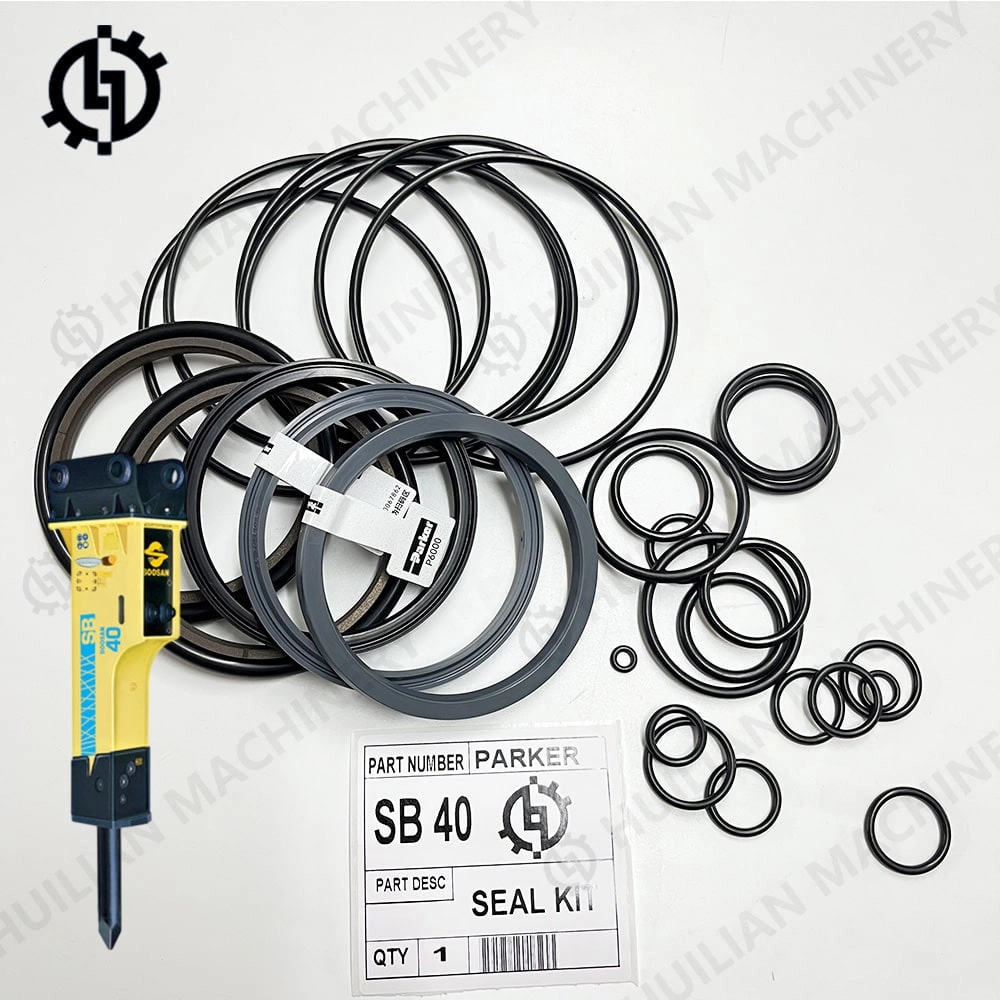
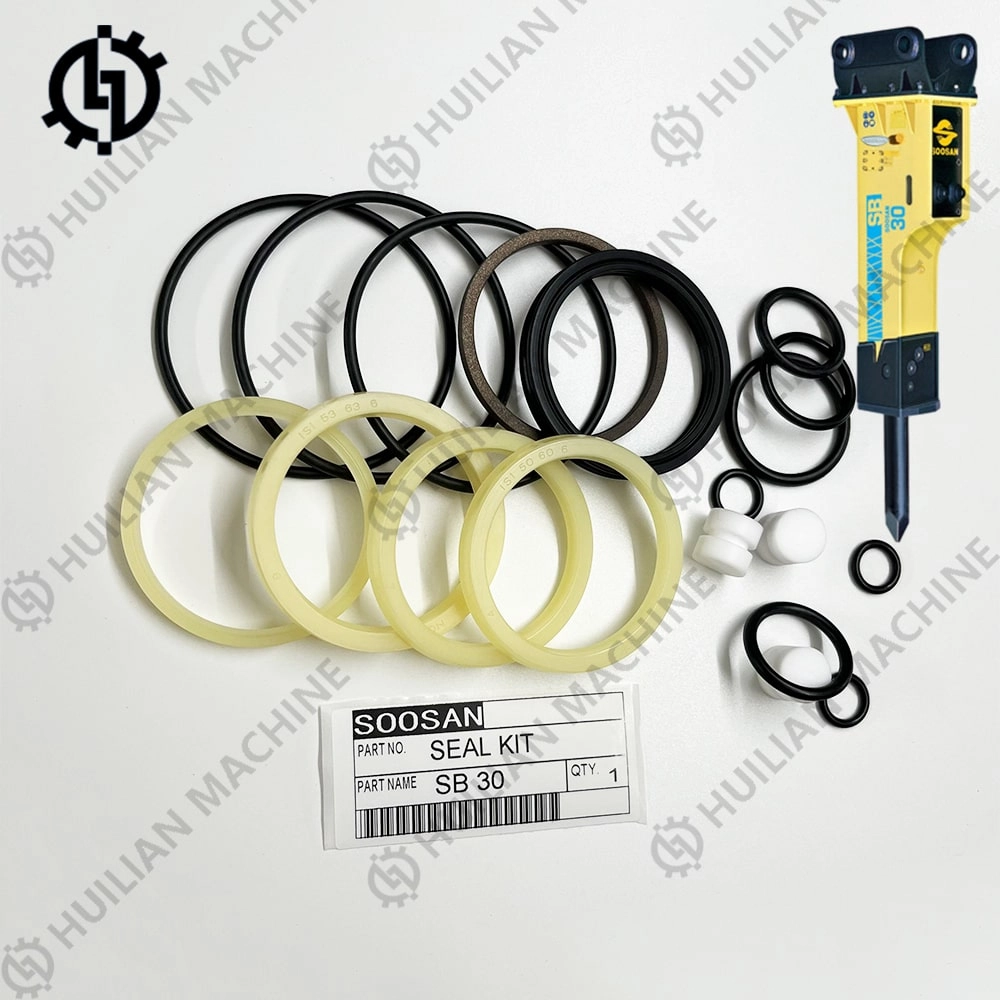
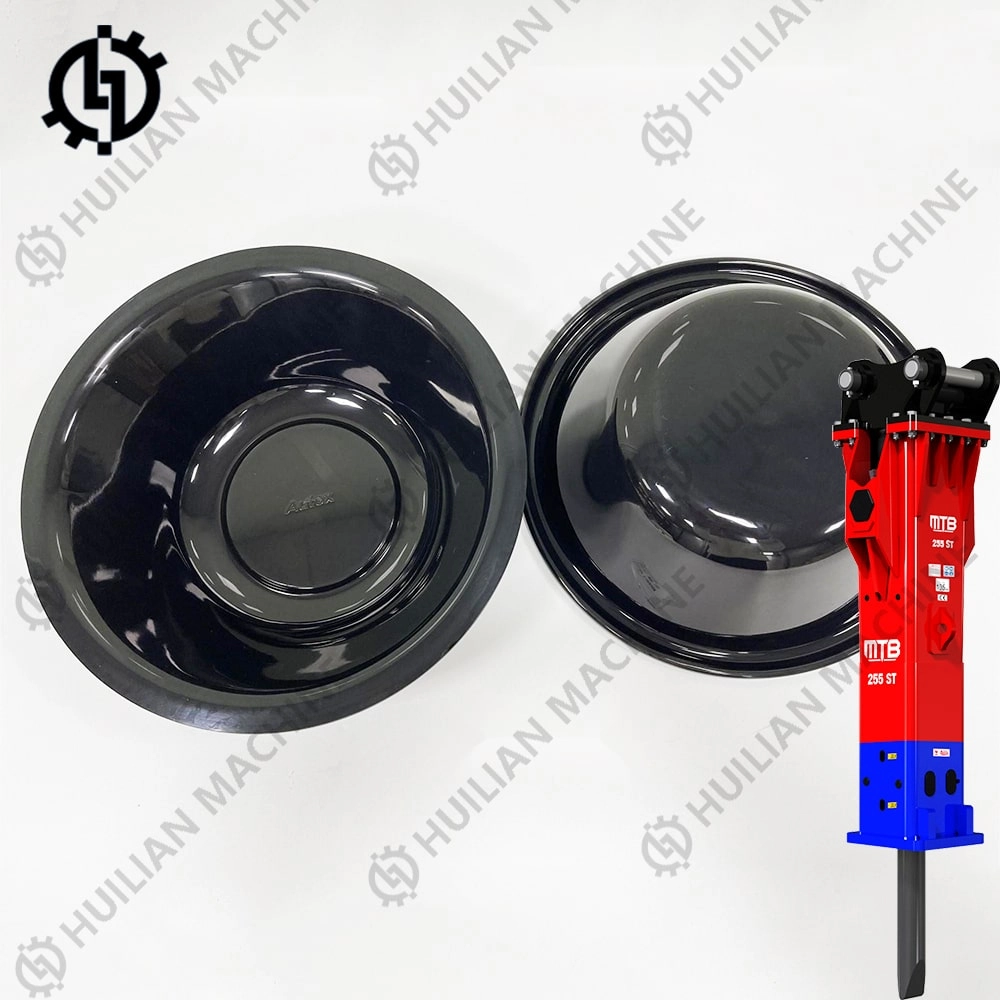
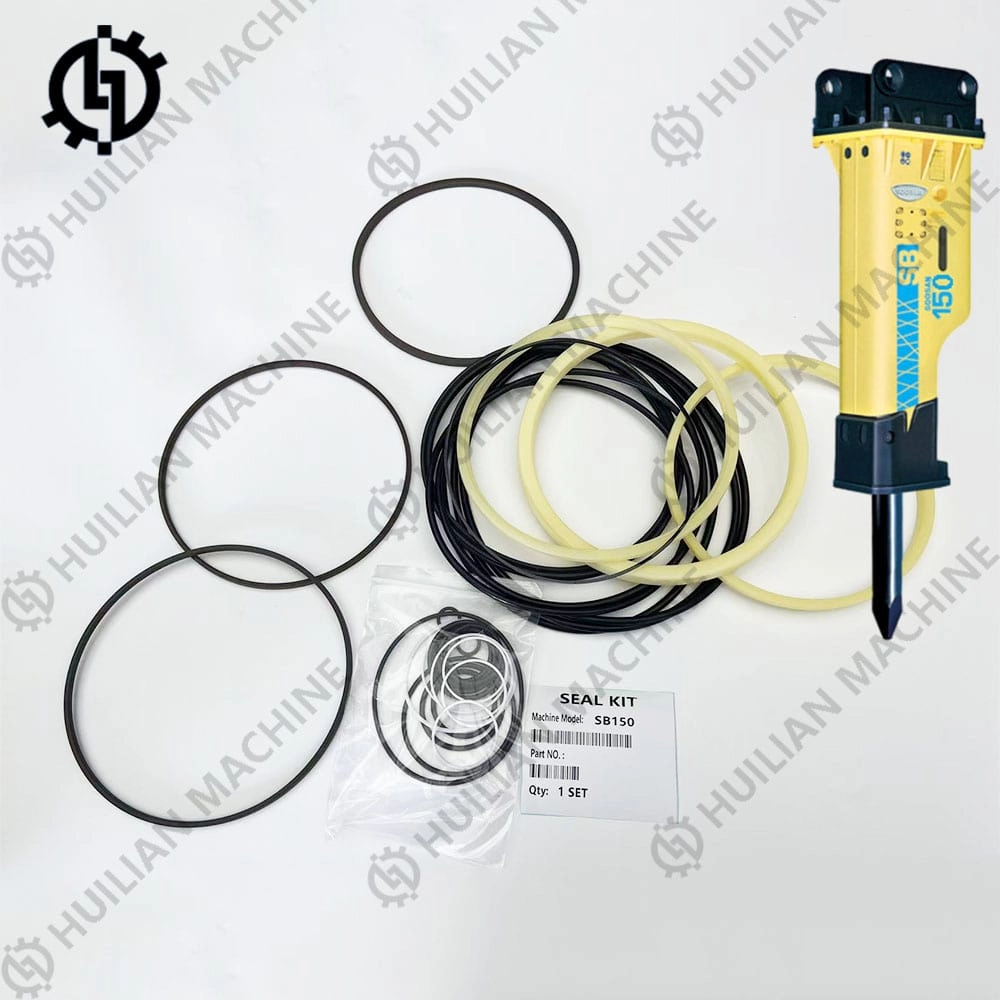
We provide a wide range of high-quality excavator parts, including hydraulic breakers, chisels, seal kits, diaphragms, pistons, wear bushes, retainer bars, through bolts, side bolts, valves, and liners.
Do you offer OEM and aftermarket parts?
Yes, we manufacture high-quality OEM parts and supply aftermarket parts from top brands such as NOK, Parker, SKF, and Hallite to ensure optimal performance.




Getting started is easy 
Contact with our experts to find the best excavator parts solutions for your needs. Discover how Huilian can enhance your equipment's performance and efficiency.


Get in touch
 About us
© 2025 HUILIAN MACHINE. All rights reserved